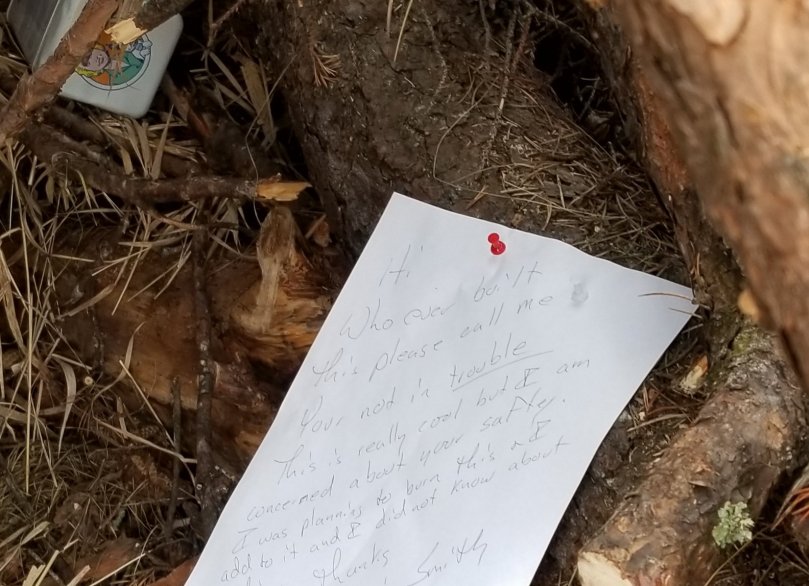
The response to her brother’s note, left at the door of the fort, came two days later. It didn’t quite match any of the compelling situations she had imagined, but Shirley was okay with that. It was a relief to know that there was no criminal in hiding, no homeless desperado, no Bigfoot out in her meadow. It was still a safe place to walk. And it turned out that the real situation was as interesting to her as the imaginary one.
It was a survival class being taught at the charter school whose property bordered the wetlands and meadow. The teacher called to remind Dennis that he had contacted him months ago about permission to use the property. He had been taking small groups of students there frequently to practice skills like finding shelter, finding food, and starting fire. No one had noticed them out there.
The fort had been his idea. He had led the others out to the meadow to construct it. They had made fire probably four times for a simple meal, maybe six more times for keeping warm, preserving the fire bed for the next time. They were kids, but someone had to help them know that campfires were for more than roasting hot dogs and marshmallows. Shelter and fire could mean their survival. It had been a fun class.
——————————————————
It didn’t take her long to find him on Facebook and ask for a meeting. Sitting in the local coffee shop with their hot drinks, Shirley got whole story from the teacher himself. He was clearly passionate about the outdoors, about survival in a myriad of environments, and about teaching basic skills to anyone who needed to learn them. He had stories…
Survival was a recurring theme in his life and was extremely important. He learned that at an early age growing up in Alaska. He learned it in the military. He learned it traveling to foreign countries. There were countless experiences that reinforced that lesson.
He would present scenarios to his students. What if the plane they were on crashed in the middle of an uninhabited area and there were 50 survivors, or 100? What would be the best course of action to save lives, to survive? What would you do for the wounded? Where might you find food and shelter until help arrived? What resources might be right there in front of you but go unnoticed? He believed everyone should have a chance to think about those things. Those were the kinds of things they talked about out in the meadow, as they built the fort.
Not everyone responded warmly to the experiences he offered, at least not at first. There were the silent ones, the thinkers, the watchers. Some had been fearful and guarded all their lives. But as young people they were flexible, they learned what he was teaching and it gave them confidence, allowed them to trust and work cooperatively. It was life changing for them and rewarding for him.
“So what comes next?” she asked him as they finished their lattes and prepared to leave the shop.
“Maybe, if the fort is still there for the next class, we’ll figure out how to keep it warm. I want to see if the kids can figure out something solar, although you would be surprised how warm it gets with a dozen kids in there…”
Thanks to John (or Scott or whoever you really are) and Angela for the latte and a great conversation. Hope to hear more of your adventures in the future.

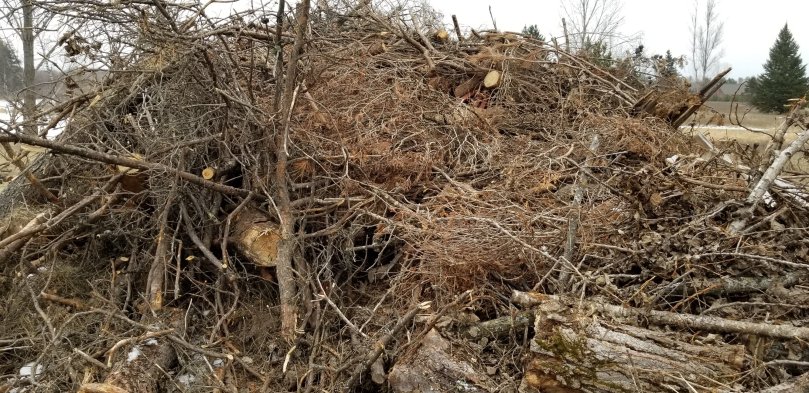 The pile had been growing for a couple of seasons. Downed trees from the bad storm a year ago, a whole summer’s worth of fallen limbs, old pallets that he didn’t need – he’d hauled it all out to the meadow behind the barn. It was dry and ready to be torched. That was the one of the things on his list now that the weather was cold and the ground was wet from snow that had melted.
 Coming around the side away from the barn and out of sight from the path, he saw what was left of a small campfire about ten feet away from the pile. That was new. Someone had been here long enough to enjoy sitting around a fire.

 I Just Have to Say...