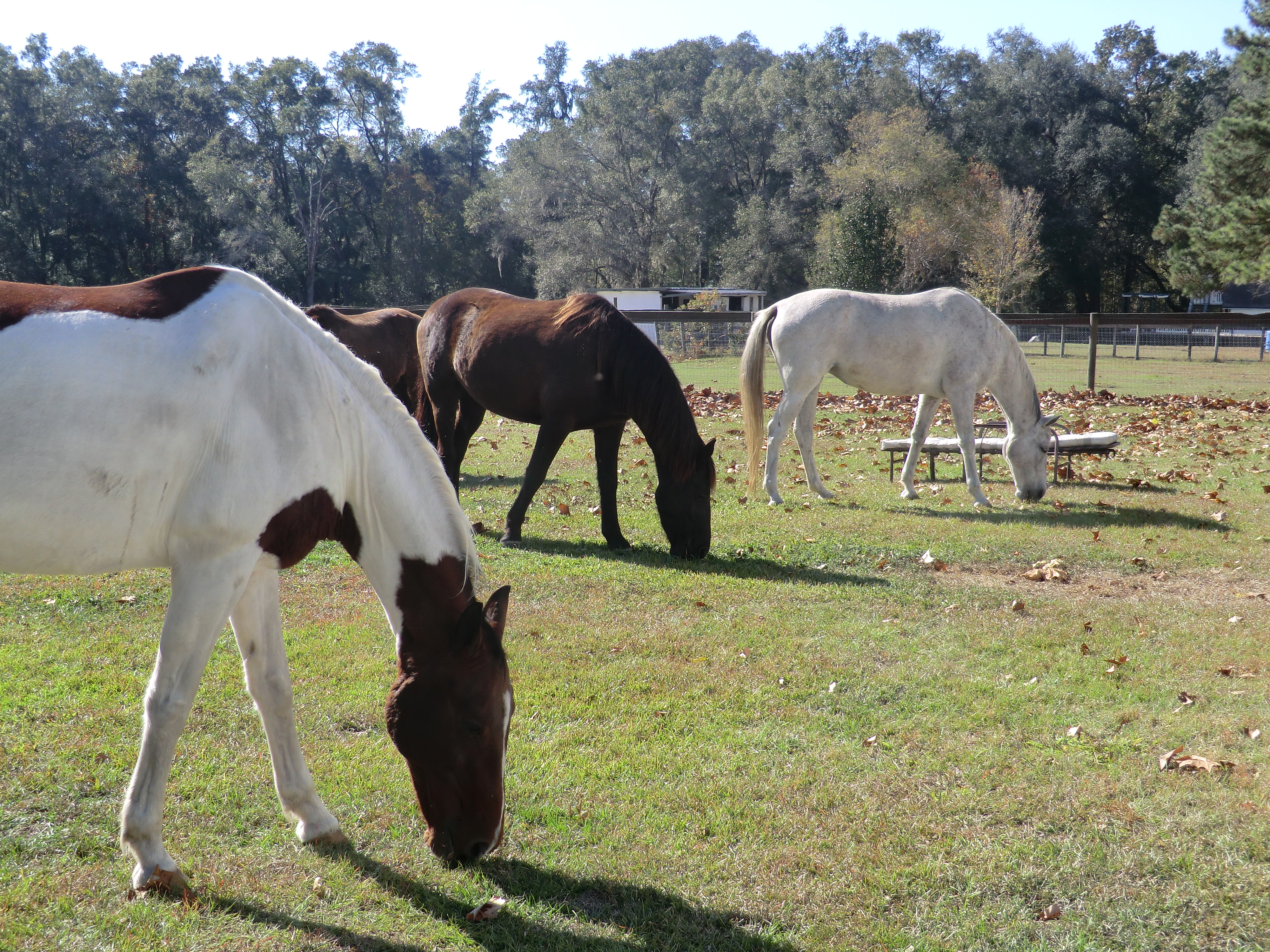
They really are beautiful animals, horses. When I think about it very long, it starts seeming strange to me what an network of industries has been built up around this one animal. Even though they are not used for work in average situations anymore, are not a common means of serious transportation, they are large, eat a lot and require a good amount of care – still people are so enamored with horses, especially women. You see horses standing peacefully in a field, or yard or stall and you naturally think “people ride those horses”. No they don’t, not necessarily.
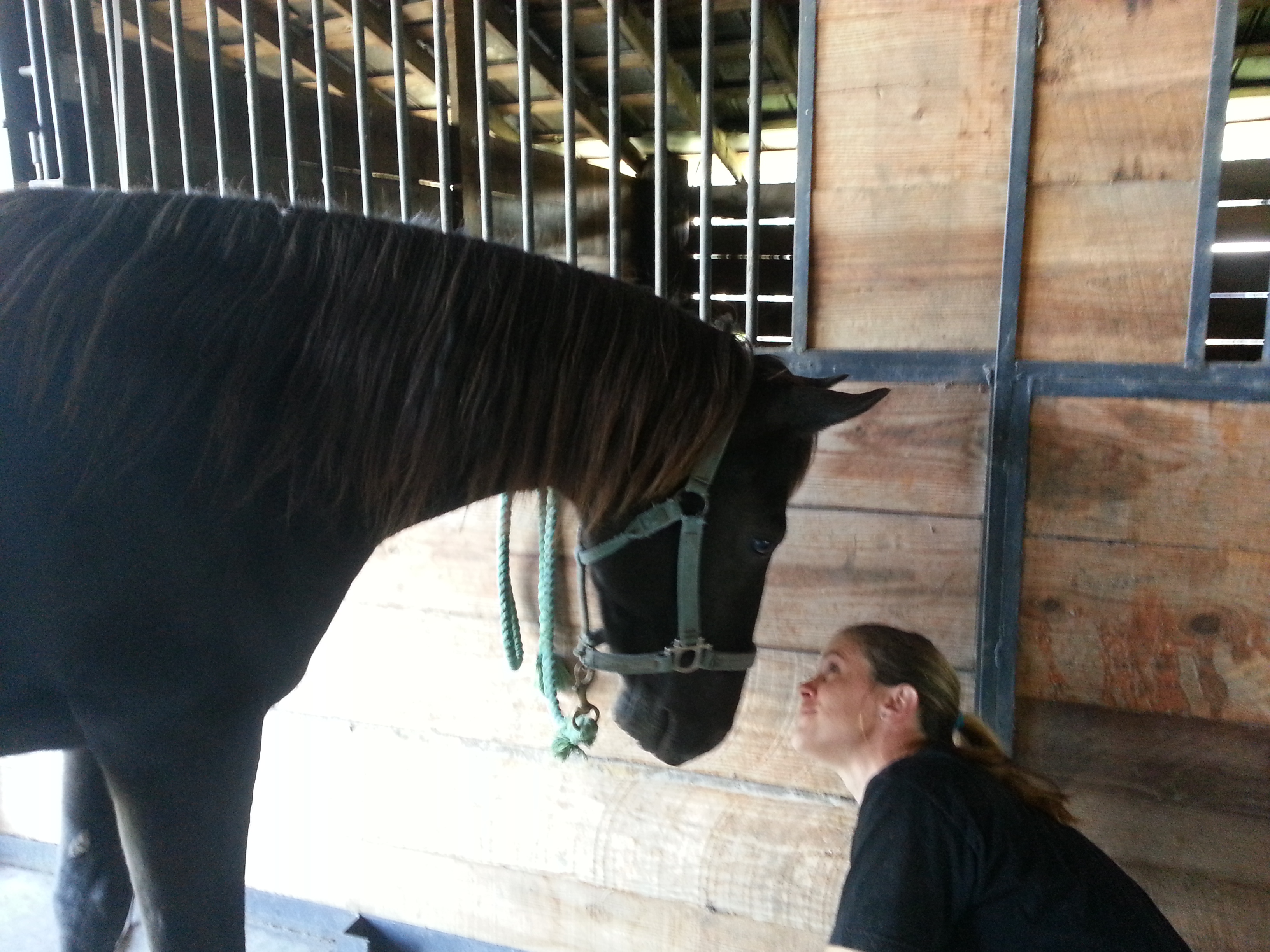
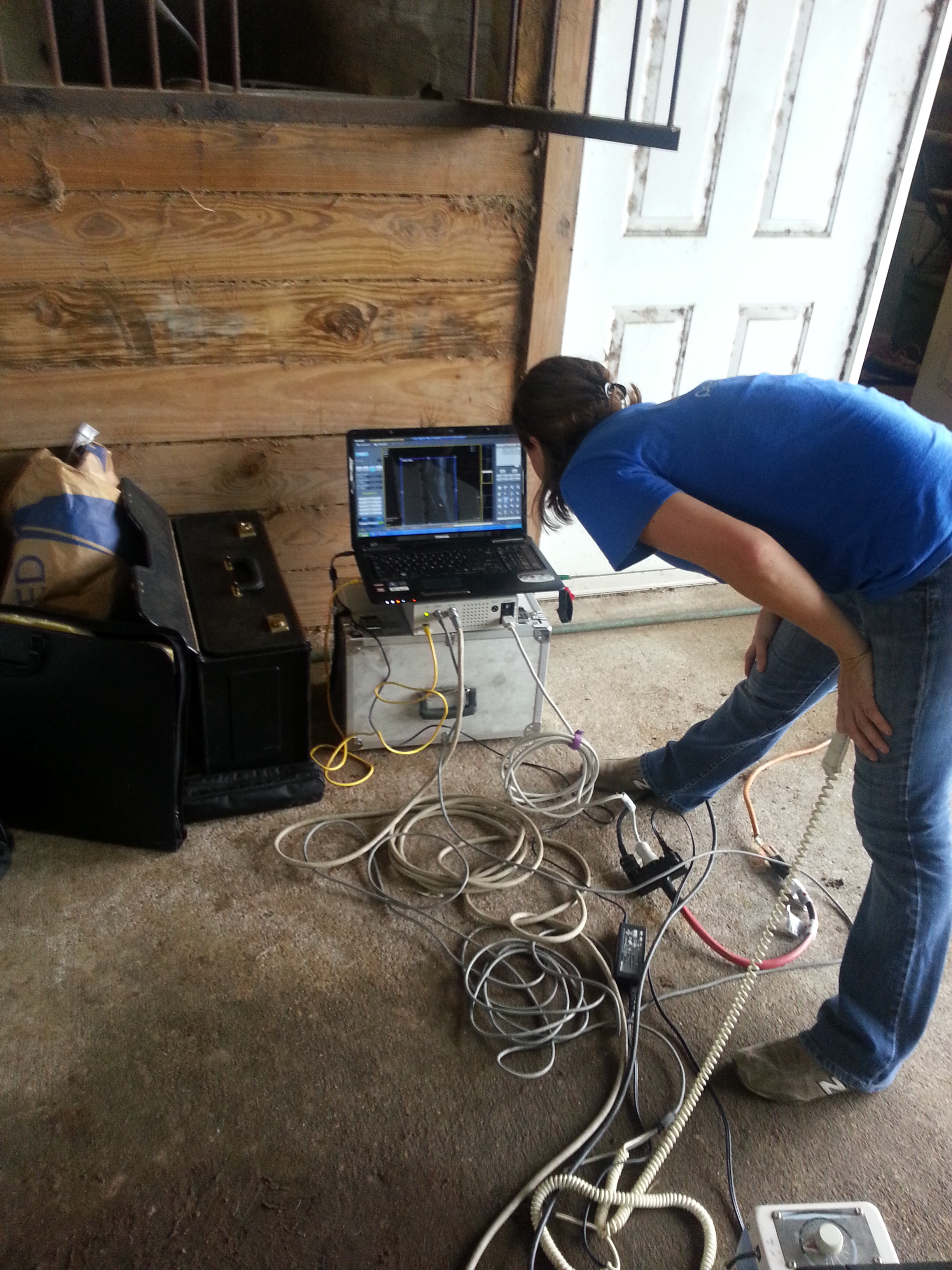
I spent three days with Doc Julia last week. She hurt her back and needed a lackey to help lug her equipment around. I love watching her work and was glad I had the time to go. It was three days of meeting more horses than people. Horses with infected ears, horses with kick wounds, horses with bad skin and sunburn, horses with worms, horses, horses, horses… It seems being a horse in today’s world, especially in Florida, has a lot of hazards.
First of all, if you’re a horse, you had better belong to someone with a little extra cash because you eat like a horse. There is a good reason for that common saying. Horses eat continuously (except when sleeping). They are grazing animals and are most healthy when they can have a little bit of hay or grass going through their system all the time. My daughter’s horses live in a big pasture which appears to be green with some kind of plant but the reality is that the good grass is pretty scarce. Horses don’t like to eat most weeds. (They only like to eat the ones that aren’t good for them – that’s how smart they are.) Bales of hay cost from $7 -$15 and you get what you pay for in quality. And most horses down here also need to be fed some kind of pelletized feed, or oats – also costly in the amounts needed. There is also the supplement market which rivals the human supplement market in competitive fury and complexity. $$$$$
All this eating does amazing things to a horse’s teeth. They wear down where they rub against each other. If their bite isn’t perfectly balanced (and most of them aren’t) they get high places, points, and hooks where there is no wear. It can get difficult and painful to eat if these areas aren’t filed down and smoothed. Enter horse dentistry. $$$$ In the three days I spent with Doc Julia we did eight dentals. Think about your own experience with the dentist. Now try to imagine this happening to a huge, clueless animal who doesn’t like it any more than you do. Yeah, right.
Horses that eat the wrong thing or not enough of the right thing get sick. They get ulcers, diarrhea, constipation, stomach ache and bowel obstruction. Again, if you are a horse you had better have an owner who is willing to call the doctor for a house call because you could die quite suddenly in great pain and agony if you don’t.
If you are a horse, you are on the lookout for anything that could be preying upon you. If you get scared, you move fast to get away. You run into barbed wire fences and tear up your skin, you step in holes and break bones. You can hurt yourself in your own stall. Your life depends on being able to stand on your feet but your hooves are subject to all kinds of conditions that could disable you. You founder, you get eye infections, you get rain rot on your skin. You are a horse and you had better have an owner who loves you.
All this brings us back to the peaceful scene in the pasture – horses grazing on green grass, tails swishing, manes moving with the breeze. Many of these horses can no longer be ridden because of age or infirmity. They are there because someone likes to look at them, pet them and spend money on them. They are there because someone has memories of their better days and loves to see them happy and content. I’m just sayin’, they are the lucky ones.


 I Just Have to Say...