On most of my long hikes, somewhere along the way I’ve found a stick I could carry and lean on. On one of the Appalachian jaunts I picked up a ridiculously heavy branch and kept it because it had a natural hand grip that I liked. It has been varnished and is where I keep all my hiking stick badges – the kind made of metal that you can nail on. It’s pretty but not very practical.
But now I am happy to report that I have real trekking poles. I’ve only used them once but I was very happy I had them. They are like having an extra arm, or maybe an extra leg to support, share the weight, and give balance. It’s definitely worth looking at what’s out there and getting some poles if you are going to do a lot of walking on uneven ground.
I searched in all the usual places – Amazon, REI, sporting goods stores – and finally found a company called Montem, that makes trekking poles and, well… pretty much just trekking poles! It’s their area of expertise.
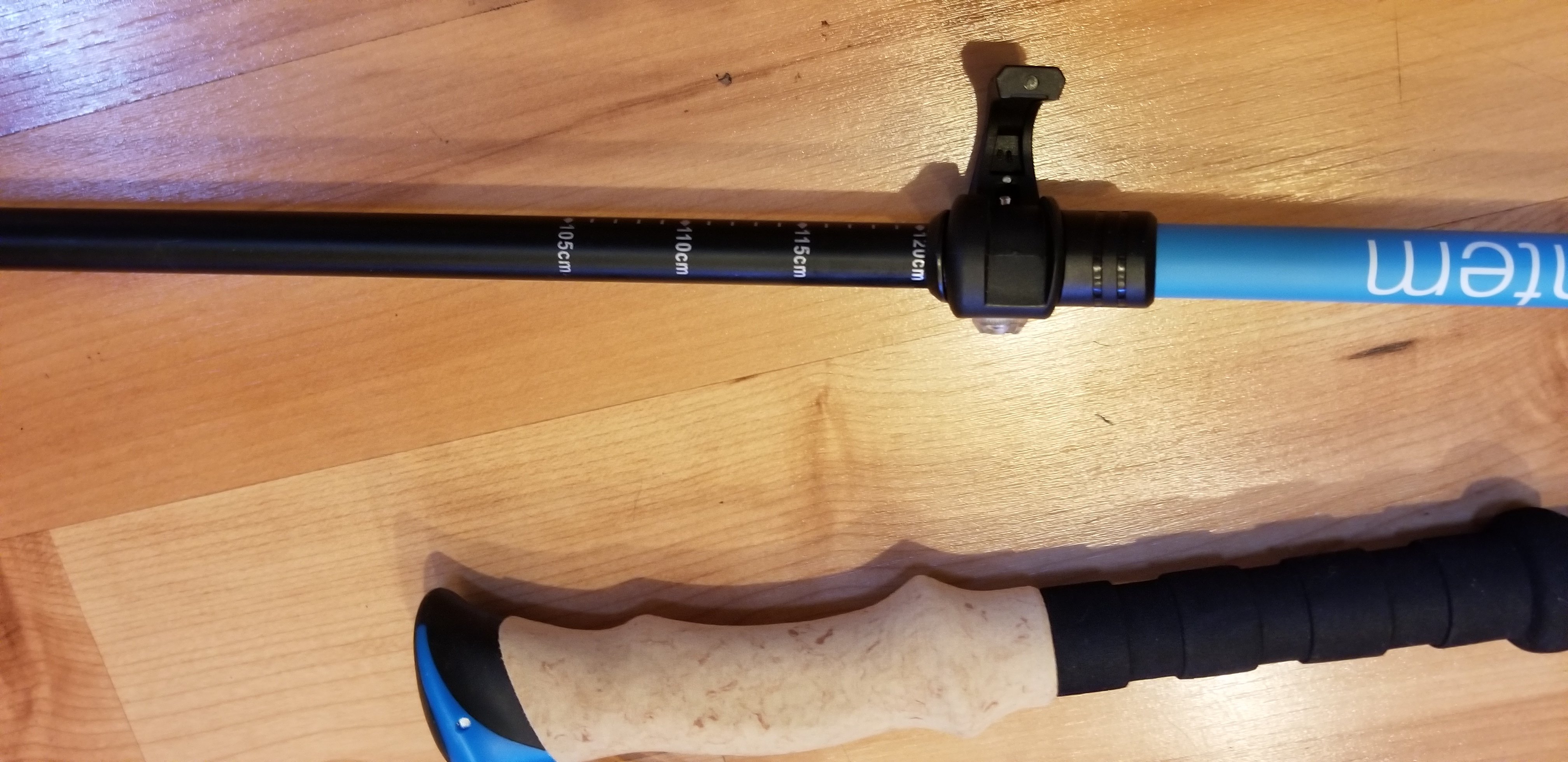
Trekking poles should be strong and light, adjustable in length, and have comfortable hand grips. I’m very satisfied with mine. I chose hand grips made of cork because I thought they looked cool because they are soft, and somewhat absorbent when my hands get sweaty. The adjustable length feature has strong locking clamps that hold well, and they will telescope down to a length that fits in a suitcase. That’s very handy when you fly somewhere to hike.
Close up of adjusting mechanism and hand grips.
I’m sure that the poles will really help on this hike, especially on the knee jarring descent. My brother, who knows, told me so. I’m going to believe him.
Have you tried using trekking poles for a hike or even a long walk around the neighborhood? You never know when you’re going to have to fend off a stray dog, or need to poke something. Might as well have a good pole, just sayin’…
Eating is a part of hiking that has always interested me. (Actually, isn’t eating a part of almost everything, and what’s not to like about that?) It is challenging to plan for a time when physical demands on the body are great and food is… well, scarce. On this hike, we will have to pack our meals and snacks for three days, carry fuel and gear to cook the food, and make sure we leave no packaging behind. Some of the food needs to be accessible on the trail as we walk. And, of course, we need to carry enough water for drinking as well as cooking. Here’s our plan.
My brother has some “rations”, dried meals, that he wants to use for the nights when we will be in camp. These will be simple, just add hot water and stir, meals that are designed to be high in calories and electrolytes. We know we will be hungrier than usual and the recommendation is to increase our calorie intake by half – 3,000 calories per day at least. Other than these two evening meals I don’t plan to have to heat anything – that will mean less fuel to carry and less time spent cooking.
Dried or dehydrated meals are really great because they are
light. Our guidelines say our food for
the day should only weigh between 1 and 1.5 pounds. If it’s heavier than that,
it isn’t the right food.
The noon meals while hiking will be short stops, so I want
to take tuna or chicken in foil packs, and some kind of cracker. We will also
be snacking on trail mix, nuts, Kind bars, and dried fruit. I tend to like
salty foods rather than sweet while hiking because I know I need the
electrolytes. Sodium is especially important to avoid dehydration (see my D
post for more on that). Another way I’m going to watch my electrolyte balance
is by putting powder Gatorade or similar drink mix in my water. The flavor helps me drink more of it too.
Jumbo bag to be split up into zip-locks and carried for snacks on the go.
Other than the foil packs for the dried meals and the
tuna/chicken meals, I want to repackage my snacks in zip-locks so I don’t have
wrappers to dispose of. I can use the zip-locks to hold whatever trash I do
have to haul out.
Our food guidelines included a few other tips such as:
Include some spicy sauces to add to bland foods
like rice or instant dried beans
Hot cereals are great for breakfast if you have
time to boil water
Dry instant milk, dried meat like turkey or beef
jerky are other dehydrated foods that work well
Granola gives some crunchy variety to breakfast
or snacks
Avoid anything in a can – heavy and you have to
carry it out too
Avoid fresh fruit that will get bruised, or
affected by the heat
Just thinking about all this dried stuff makes me hungry and
thirsty for fresh vegetables and fruit and something cold to drink. And that
brings me to the final part of the hiking experience that I look forward to –
the meal after the return to civilization.
Deprivation heightens appreciation, just sayin’…
A number of years ago I trained for and participated in a 60 mile walk over three days. From the first days of training there was emphasis on what we were to wear on our feet. Your shoes will make or break your walk, they told us.
One of our training meetings was held at a retail outlet for a major athletic shoe company. I won my first pair of expensive, properly fitted hiking shoes. To be honest, I didn’t understand what people were talking about when they said their perfectly good appearing shoes had worn out. I wore all my shoes until the soles came off or holes appeared.
That hike taught me how important foot protection is when
walking long distances. I had some major blisters. Some people lost their
toenails, and others had to drop out of the walk with other foot problems. I
made it to the end, but it was challenging.
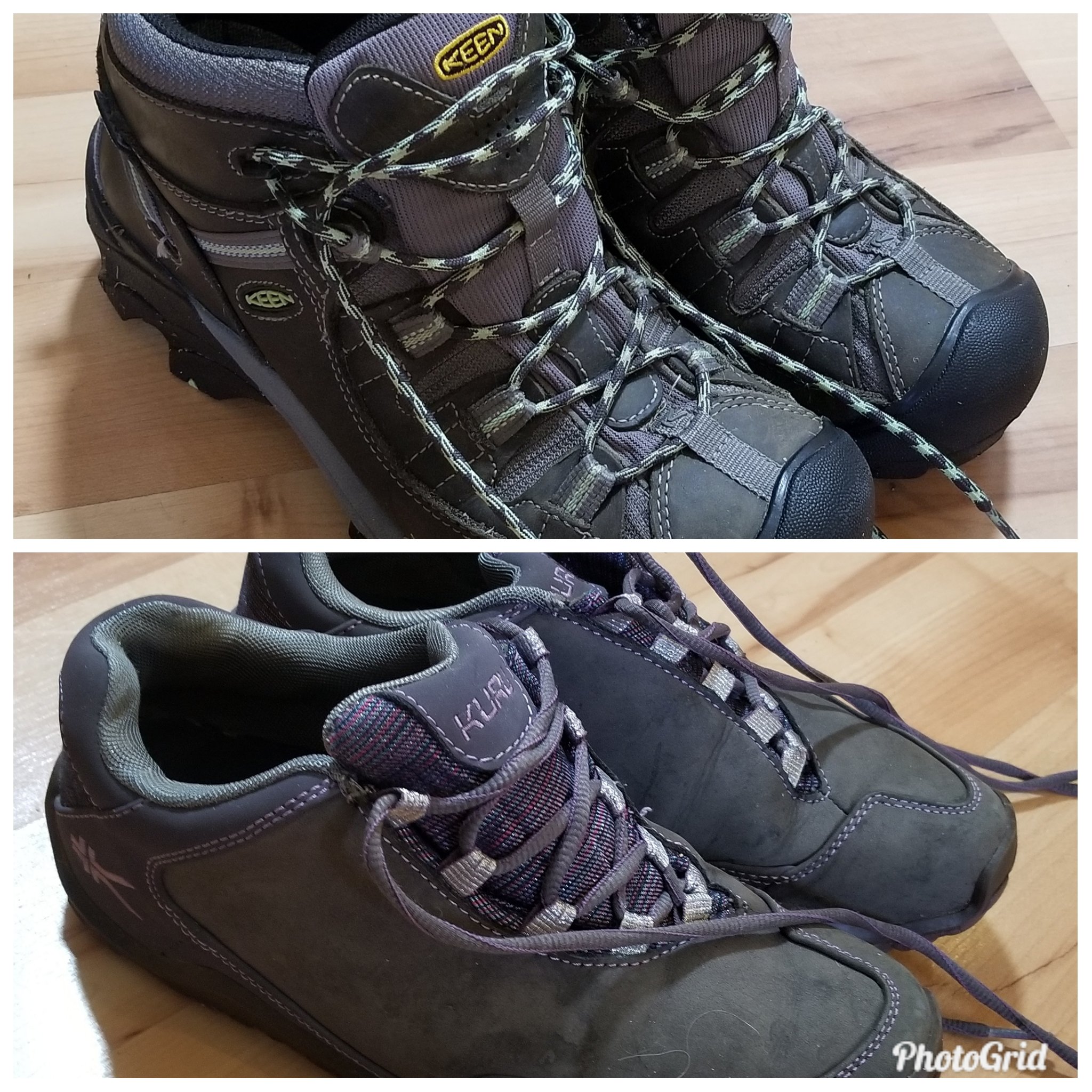
I have two pair of hiking shoes now, low ones and ankle high
ones. I’ve had them for over a year and both pair are pretty well broken in. I know how they feel and how they perform. I’m
not sure which pair I will take to the Grand Canyon, but it will probably be
the ankle boots, both for protection and stability.
Keene and Kuru – I probably should have used these for letter K
The steep grade on the descent requires shoes with plenty of
room in the toe. With every step I’ll be sliding forward slightly and I don’t
want my toes rubbing against the toe of the shoe. I’ve seen the recommendation
of finding a shoe that’s comfortable and then buying one half size larger. I
didn’t do that with my ankle boots, but I’m hoping with the extra lacing up
over my ankle that my foot won’t slide much, if at all. These boots also have a
thick sole, water resistant qualities and some breathability. Sometimes I wear
them for everyday wear just because they are very comfortable.
I’ve also invested in thin, wool hiking socks that don’t bag
or bunch up. They are padded and wick moisture away from my feet. (Cotton
absorbs moisture, stretches out, and can chafe, so no cotton.) Guidelines for
the hike suggest a thin, polypropylene sock as a liner underneath the wool sock
but I haven’t found those yet. The most irritating sock problem is that pair
that slides down, step by step, and disappears into my shoe. I’m testing all
socks to make sure that doesn’t happen.
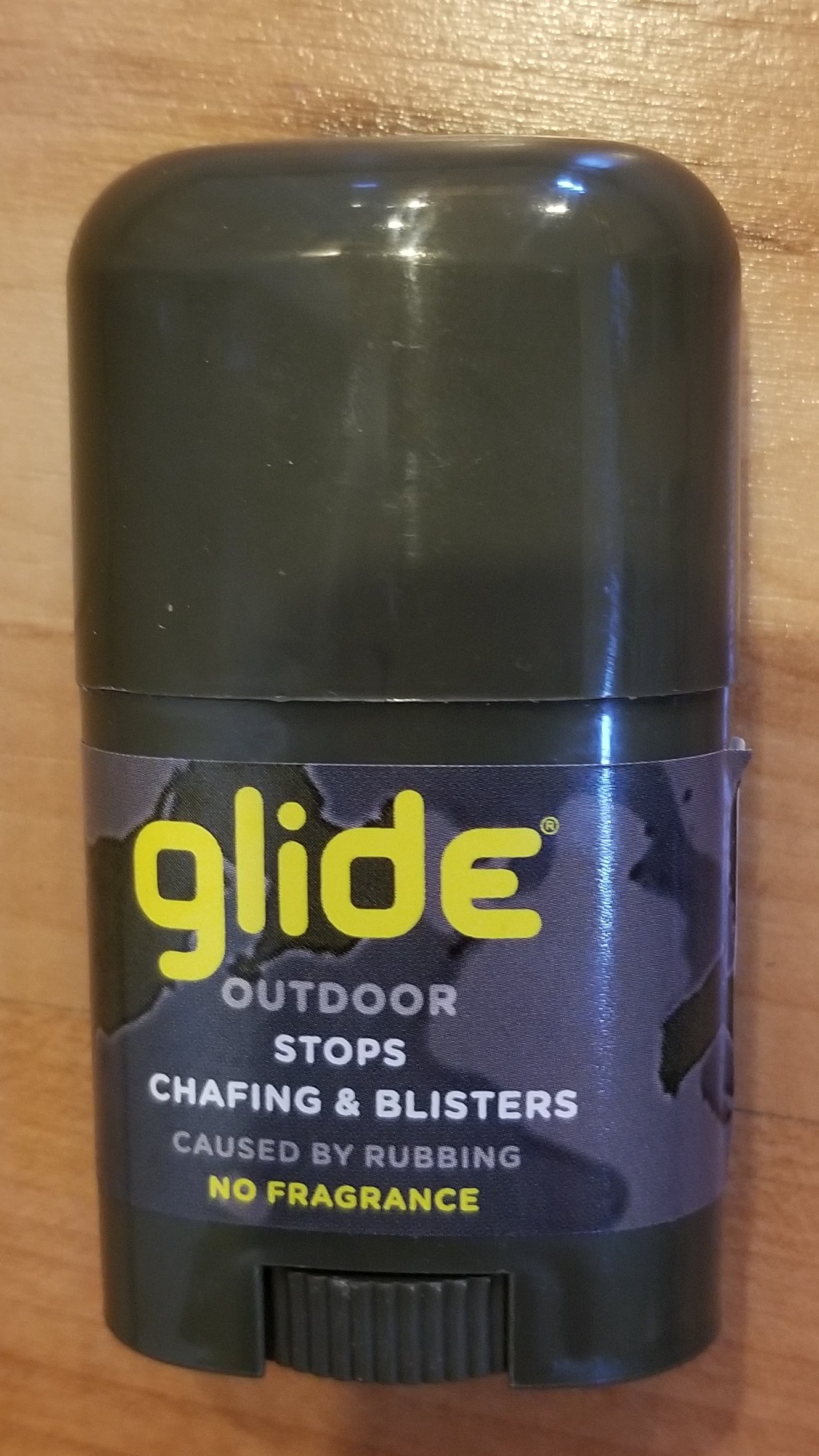
Another foot saving precaution I’m going to take is to carry certain items in my first aid kit. I’m taking moleskin to cover any blister that appears. I’m taking a product called Body Glide which is great to prevent chafing anywhere it occurs.
I’m including a post about Colin Fletcher, yes, because his
last name begins with F, but also because he was somewhat famous for hiking. In
spite of being interested in hiking for quite some time, I had never heard of
Mr. Fletcher, so I was surprised and intrigued to find out that he’s considered
the grandfather of backpacking. He was one of the first persons who thought
long and hard about where he was hiking, how to get there and what to take
along. His book “The Complete Walker”, a sort of hiker’s bible, has sold over
500,000 copies and is still in print. So, as a result of studying up on him, I
now have a new reading list that I can’t wait to get into! See it at the end of
this post.
Fletcher was born in Wales, educated in England and did time in the military in World War II. He also spent time teaching in a Mountain Warfare Training Camp and living in Africa, surveying and helping to build roads. He did some prospecting in Canada, which led to a move to San Francisco in 1956. He hiked the nearby mountains. By this time, exploring and getting out alone into the wilderness was in his blood.
This is funny. His first extended backpacking trip in 1963 was from Mexico to Oregon, all along the eastern coast of California. He did what he called “contemplative walking”. According to the NYT obituary, he took this hike to think over whether or not to marry his girlfriend. He did end up marrying her but it only lasted a few weeks. He probably should have taken a longer hike and contemplated more.
Daughter Julia and I are out for a “contemplative walk”.
He wrote his first book about this experience and called it “The Thousand Mile Summer”.
His second book, “The Man Who Walked Through Time” was written about his hike from one end of the Grand Canyon National Park to the other. He was the first to do the complete length in one hike. The park at that time didn’t include the entire canyon but it was 200 miles in length. Apparently, with all the zigzags and explorations, he walked closer to 400 miles.
Not many have done this hike even today. It is incredibly difficult to cross the many deep tributary canyons. In an interview with NPR, Chip Rawlins, who co-authored the latest edition of Fletcher’s book “The Complete Walker”, said that Fletcher had devised a sort of life vest that would float him across some of the rivers he had to cross. One of Rawlins friends, a river guide, said Fletcher must have been “nuts”. Here is a quote from “The Man Who Walked Through Time”:
“I saw that by going down into that huge fissure in the face of the earth deep into the space and the silence and the solitude, I might come as close as we can at present to moving back and down through the smooth and apparently impenetrable face of time.”
The Man Who Walked Through Time, by Colin Fletcher
Colin Fletcher also traveled the complete length of the
Colorado River, from source to sea, when he was 69 years old. His book “The
River” is said to have his reflections on growing older. It sounds like all of his books, in addition
to having detailed guidelines on wilderness backpacking (solo), have a lot of
philosophical musings. A bonus, all of the reviews say his writing is witty and
enjoyable as well. I can’t wait to read these books!
The Thousand Mile Summer (1964)
The Man Who Walked Through Time (1968)
The Complete Walker (2002 edition)
River: One Man’s Journey Down the Colorado, Source to Sea
(1997)
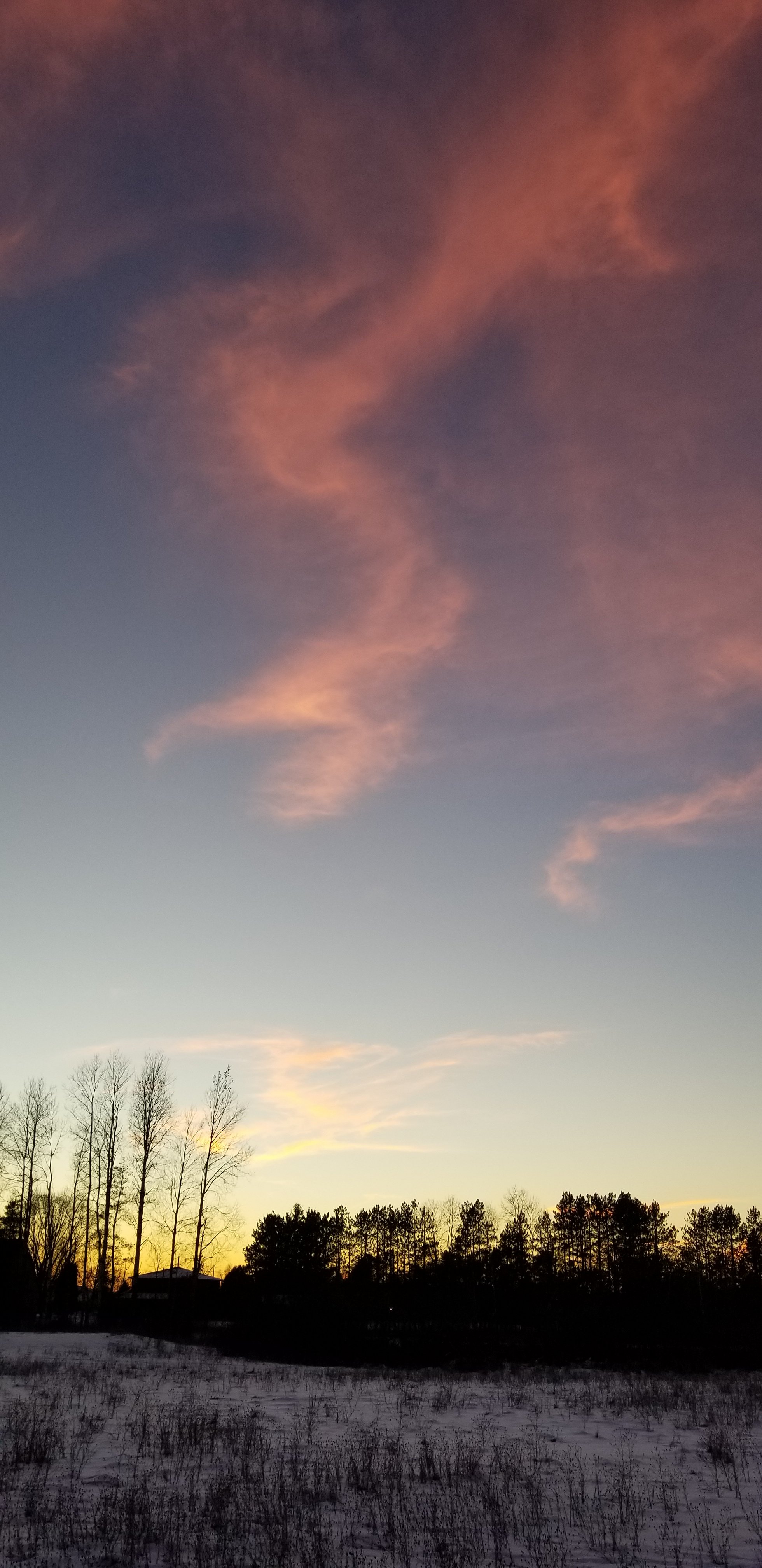
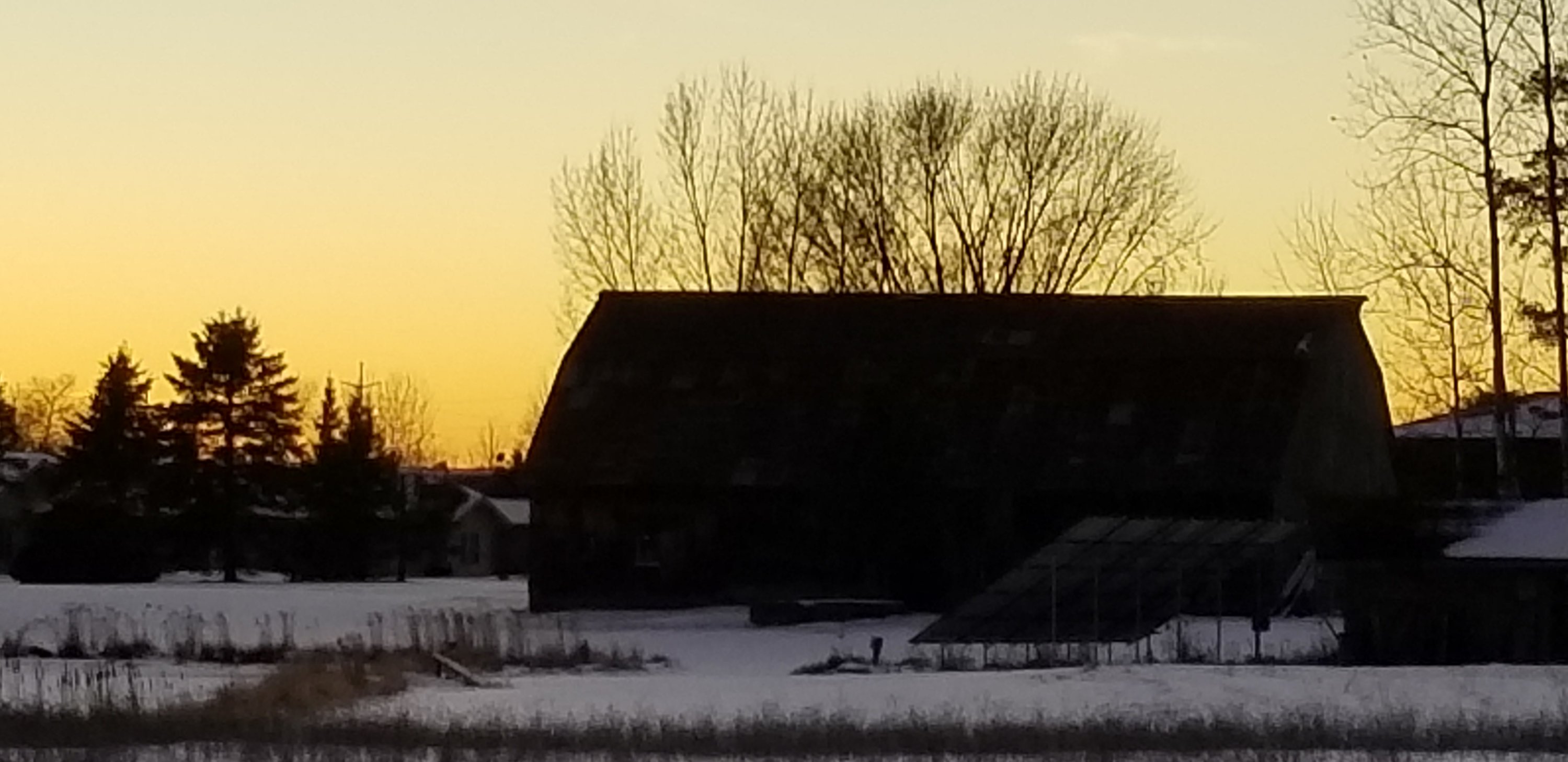
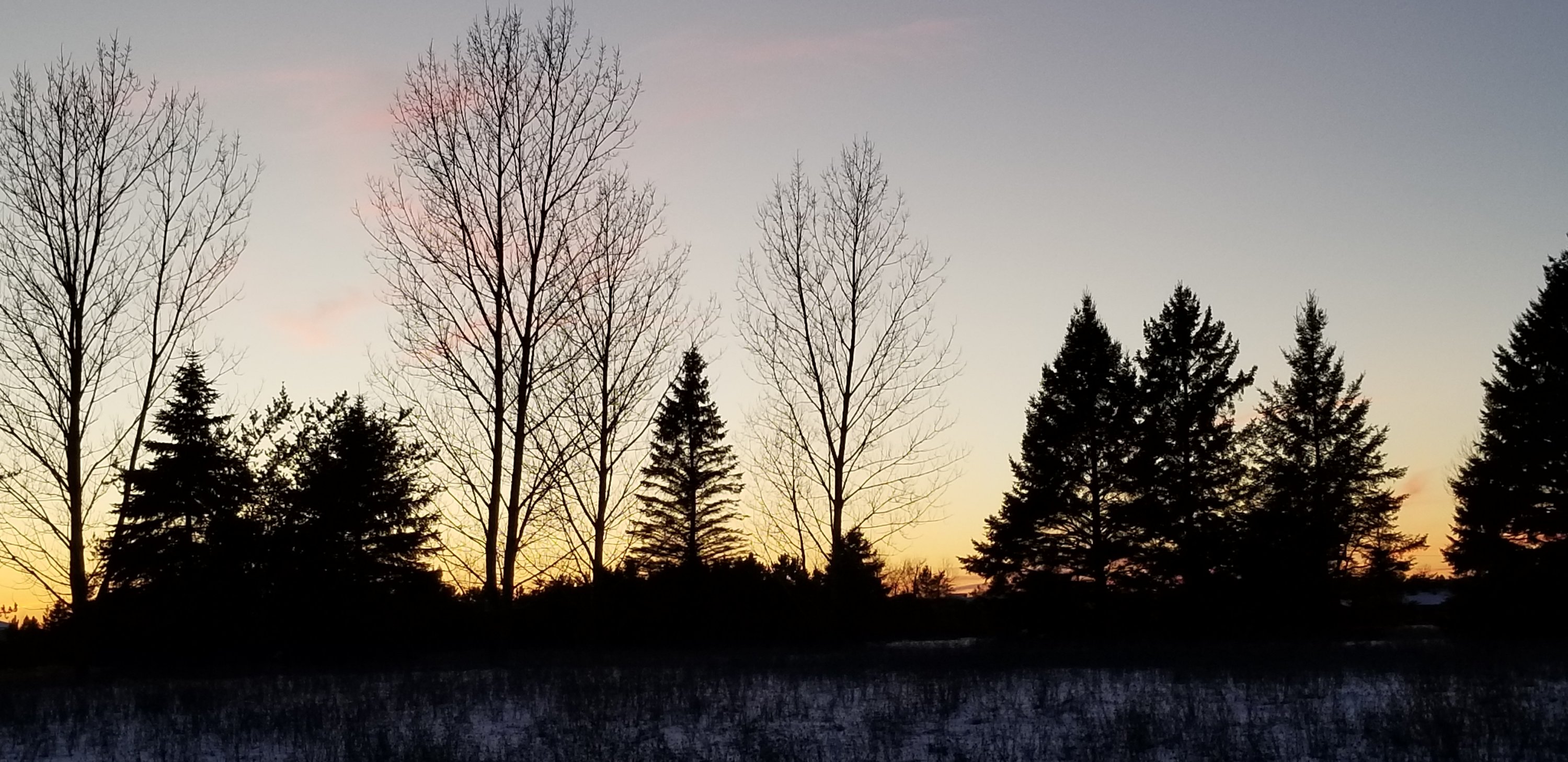
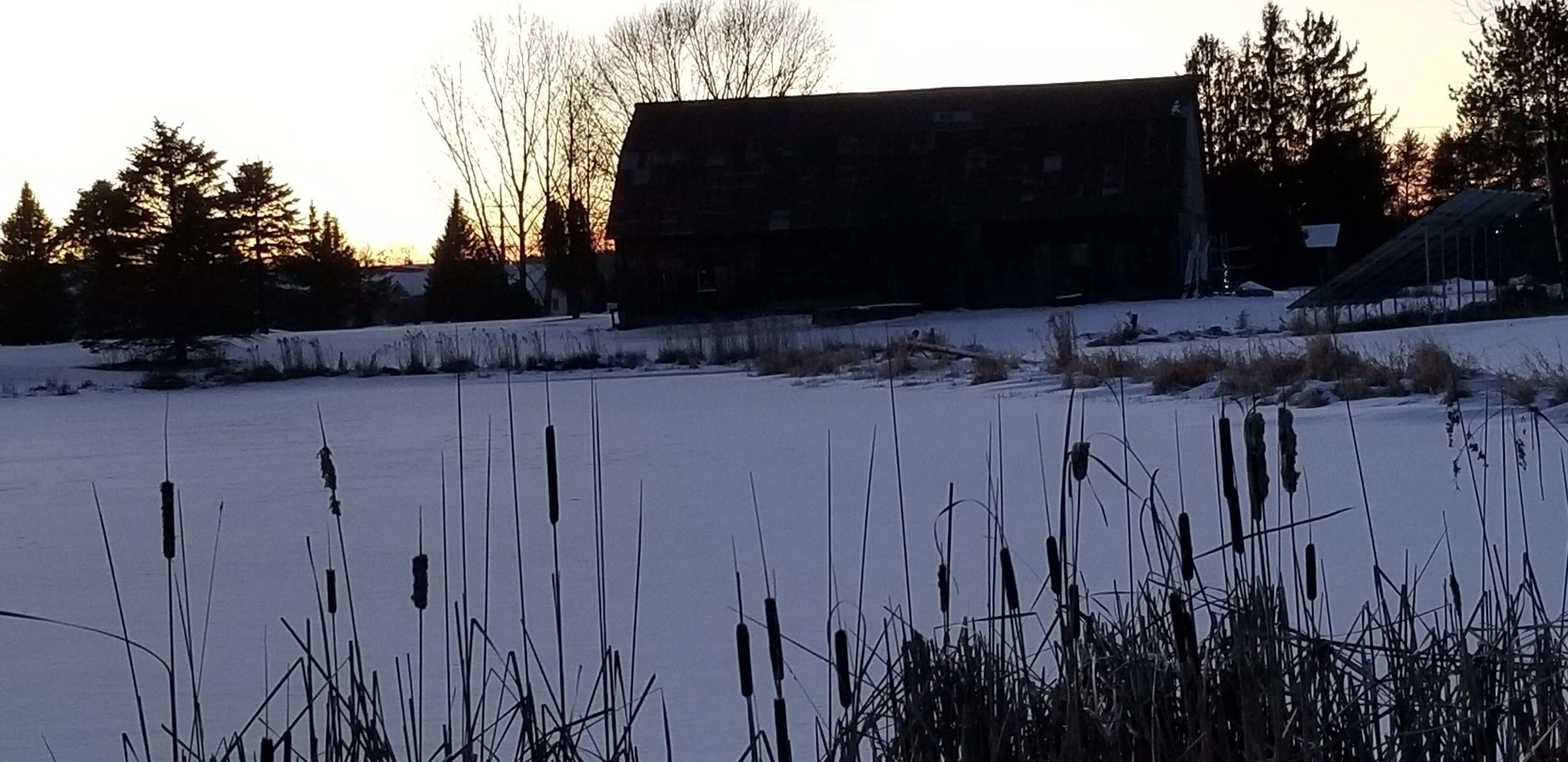
Today I spent a lot of time sitting in the car, sitting in waiting rooms, sitting… and trying not to fall asleep. When there were a few free minutes at home before dinner, I had to get out and stretch with a walk.
This world is such a beautiful place, and if you don’t have places that bring that fact home to you, you need to find some NOW.
You can come to my place. This is how it looks at sunset on a fairly warm (34 degrees F.) winter afternoon. Enjoy.
Come along. Charlie (the dog) and I are going for a walk.
A summer shot along the sea wall from Alki Beach.
West Seattle is a peninsula of sorts with a variety of geographical features. In previous visits I’ve posted about the Alki lighthouse, the stairways leading up the steep bluffs, the old growth forest in the interior, and some of the sights along the default exercise walk, Alki Drive. Today, Charlie and I went on that walk just to see what it looked like in winter. It has been so cold, wet and windy that we were glad to have time outside on a calmer, warmer day.
On Alki Drive one can traverse the western side of West Seattle from the lighthouse and Alki Beach all the way up to the northern point where there is a good view of downtown Seattle across the water. It’s hard to describe in words so you really have to look at a map. Puget Sound has many islands, inlets, peninsulas and bays and is a long body of water. There are some beaches but often the shoreline is rocky and steep. My daughter’s house is only a few blocks from one of the few beach areas so that is where my walk usually starts.
There is the water, a sandy beach which gives way gradually to a cement sea wall, then a wide grass and shrub strip, then the sidewalk for walkers, another strip of shrubbery, the wide paved area for bikers, skaters and long board riders, then the street, the sidewalk again, a row (sometimes two) of dwellings and finally a steep, unbuildable cliff covered with trees and vines. Every once in a while there is enough of an outcropping that someone feels safe attaching houses to it, but the roads to them are narrow, switch-backed and have very inventive parking areas.
The bluff is not very high here. Another row of houses hanging on up top.
Although it is cold here, it doesn’t freeze hard enough to kill many of the plants and shrubs. There is green grass, many of the trees still have leaves and the houses and condos along Alki Drive looked much like they do in the spring and summer. I passed the monkey tail tree, araucaria araucana, one of the oddest conifers I have ever seen.
This is the thought game I play while I walk past all the small summer houses, the old ones. Many of them are run down, poorly maintained, and some are uninhabited (condemned most likely), in spite of the high priced land they are sitting on. I look at them and plan what I would do first if I lived there. Give me a sledge hammer, some paint, a shovel. They beg me to pull the weeds, pick up trash and simply make them look like someone loves them. I know if they are not fixed up they will soon find themselves replaced with high rise condos. Some are fixed up and are very cute – showing that it can be done.
Draw a circle around the one that is not like the others.
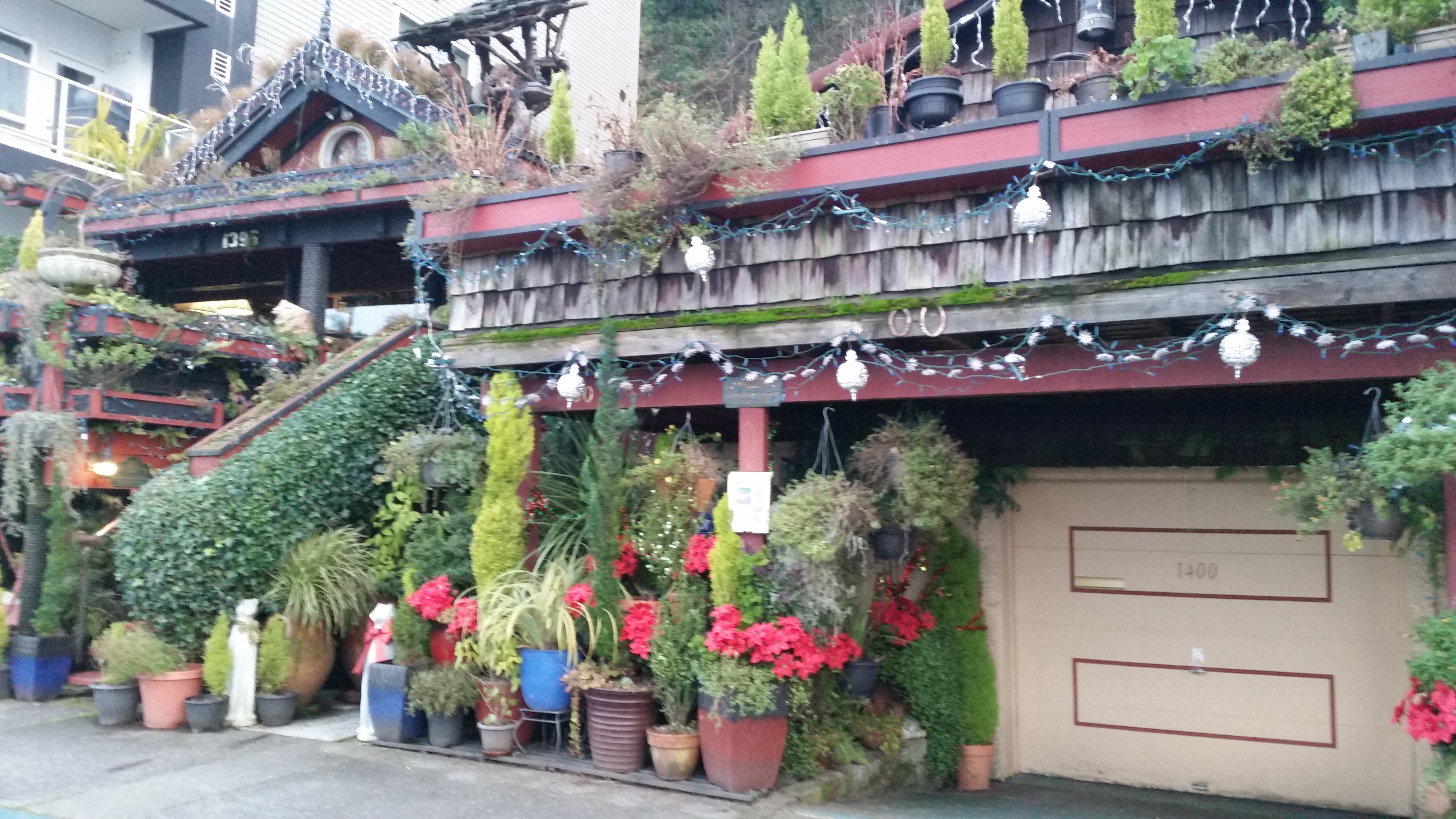
The goal today is to walk to the so-called “flower house”. Nestled between two high rises, a small house and adjoining building have become locally famous for being festooned with flowers throughout the summer, extremely festooned. The flower house is right on the sidewalk and the owner has seating for tourists to have their pictures taken surrounded by flowers. I’ve posted photos of my daughter and I in those very seats last year. This winter the décor is more sparse but still lovely.
A bit more flowery
in the summer…
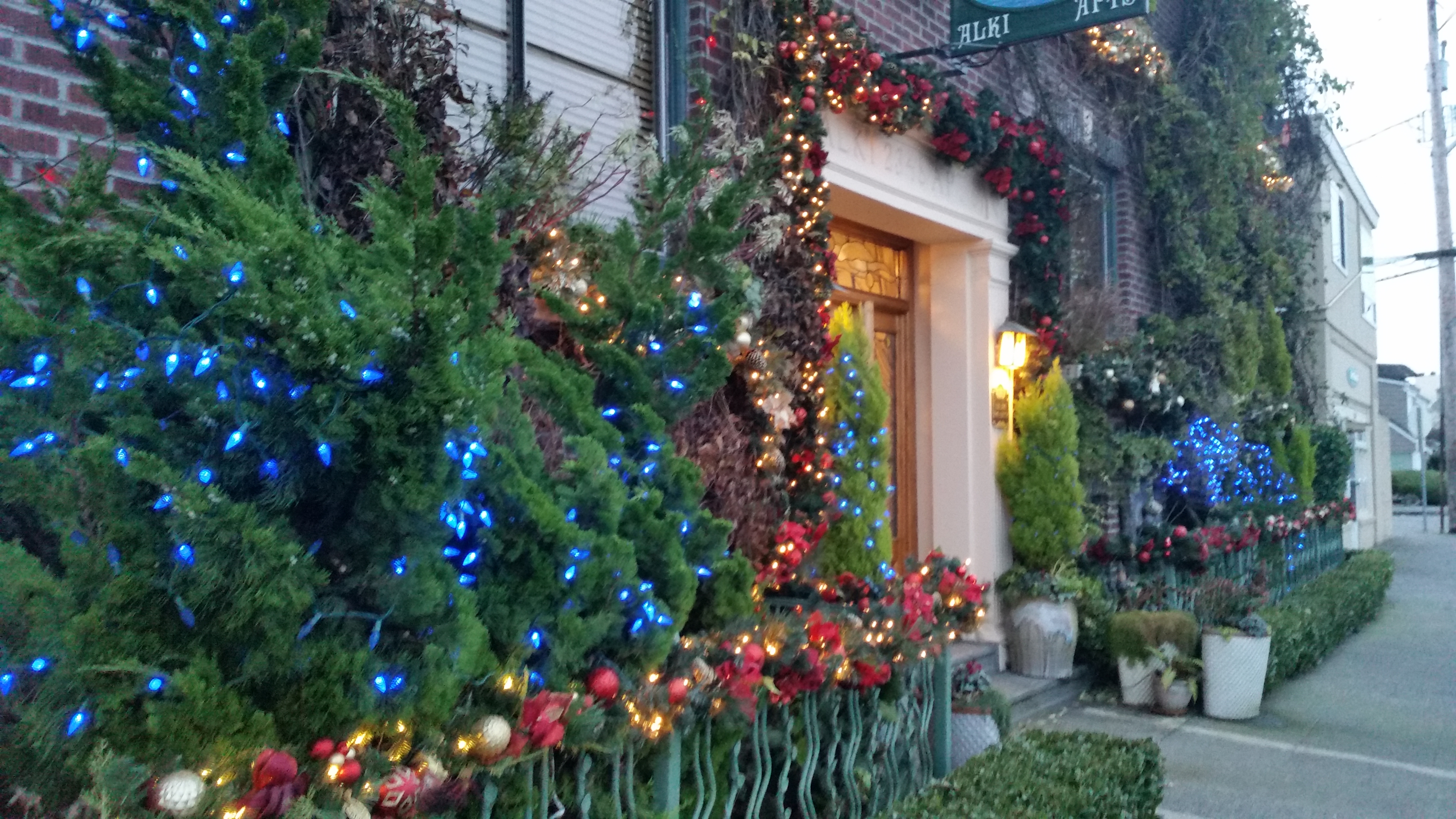
On the way back, the house that wins my vote for Christmas prettiness is this one. I choose it mostly because of the blue lights which are my favorites.
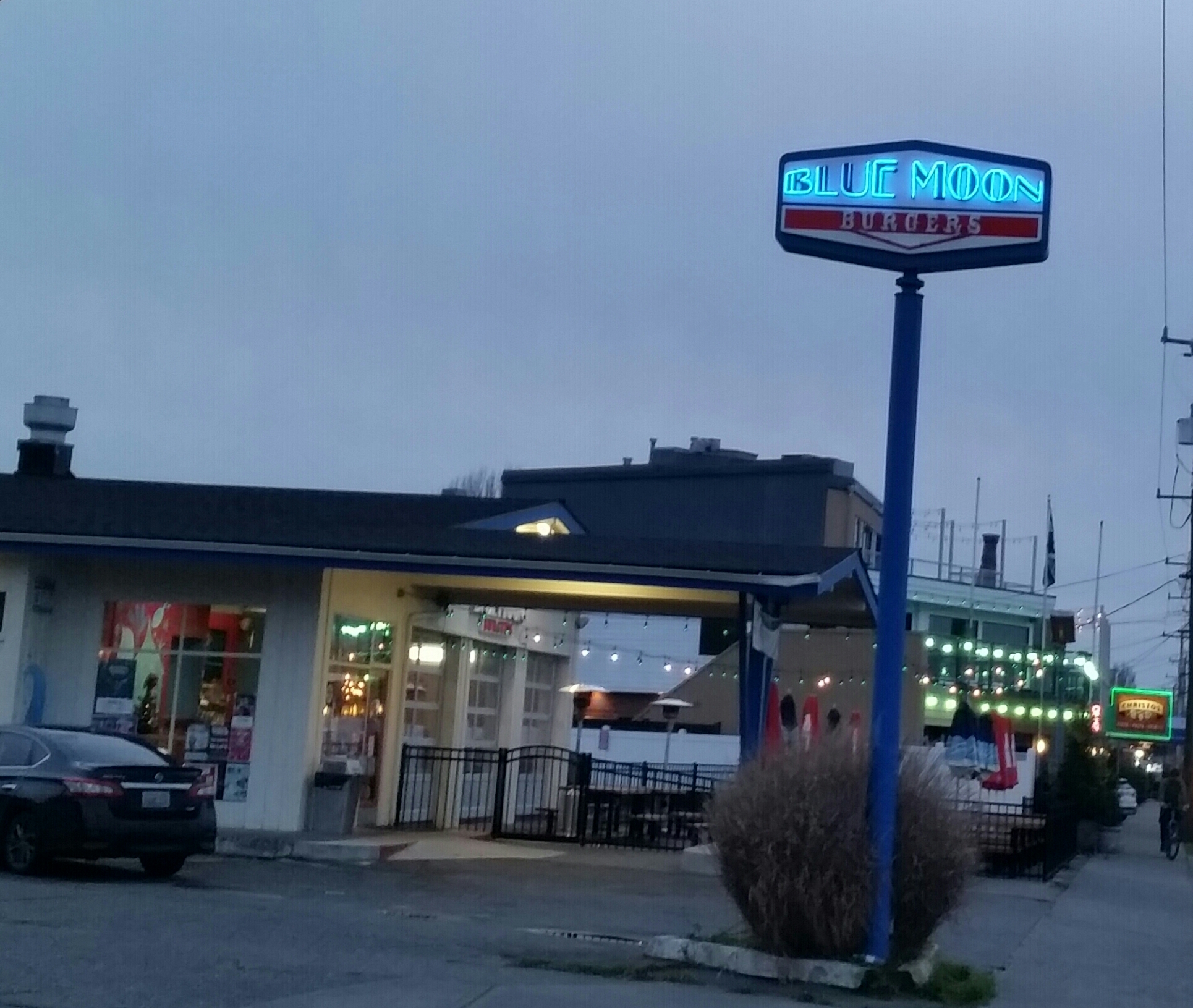
I walk a little further and see another one of my colorful favorites, the Blue Moon Burger joint. They have some crazy good sweet potato fries there.
One of many eateries lined up along Alki Drive in the beach area.
And then we head inland a couple blocks and are back to Esther’s house, “Ocean’s Arms”, immediately below the path leading into Schmitz Park. To end, I am showing you a picture of the Star of Bethlehem tree, which you saw in the dark a few nights ago. This is how it looks in the day, along the walk going up into Schmitz Park. Both pictures are from my bedroom window. We think they must leave the star up there all year, although Esther has not thought to look.
Out my window, the Star of Seattle, I guess.
Thanks for coming along on my walk down Alki Drive.
The Inner Life of Someone’s Mother – Tales from the Archives
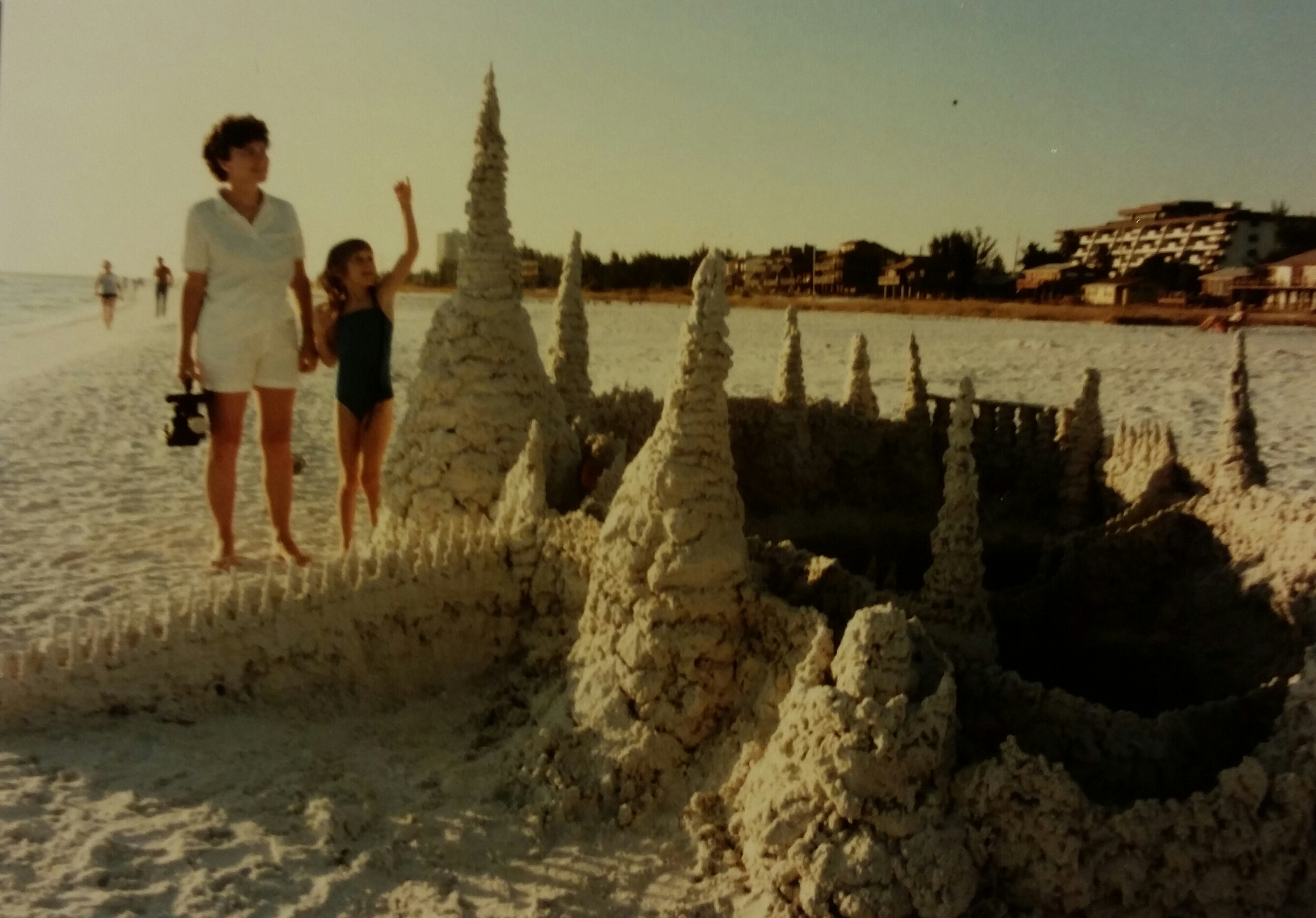
We moved from the north woods of Wisconsin to Florida – a shock actually. The realtor put us in an apartment on the beach while we looked for a home. It was late fall, early winter. Instead of tramping across wind-swept snow drifts the children and I were tramping across wind-swept white sand. The visible similarity was striking even while the contrast was unmistakable. We went to the ocean nearly every day to wander, to marvel at our new surroundings and to look for shells.
Looking for shells on a beach full of shells is an art. I compare it to doing a jigsaw puzzle. You must school your eyes to detect a certain shape, a certain color amidst countless shapes and colors. I didn’t want lots of shells since there was no challenge to that (and soon no place to put them all). I wanted to find one special shell each trip, a scallop as near perfect as possible, with maybe a bit of color. At least one. And soon it was a ritual and a way of entering into our new life.
It is thirty years later. I still look for scallops.
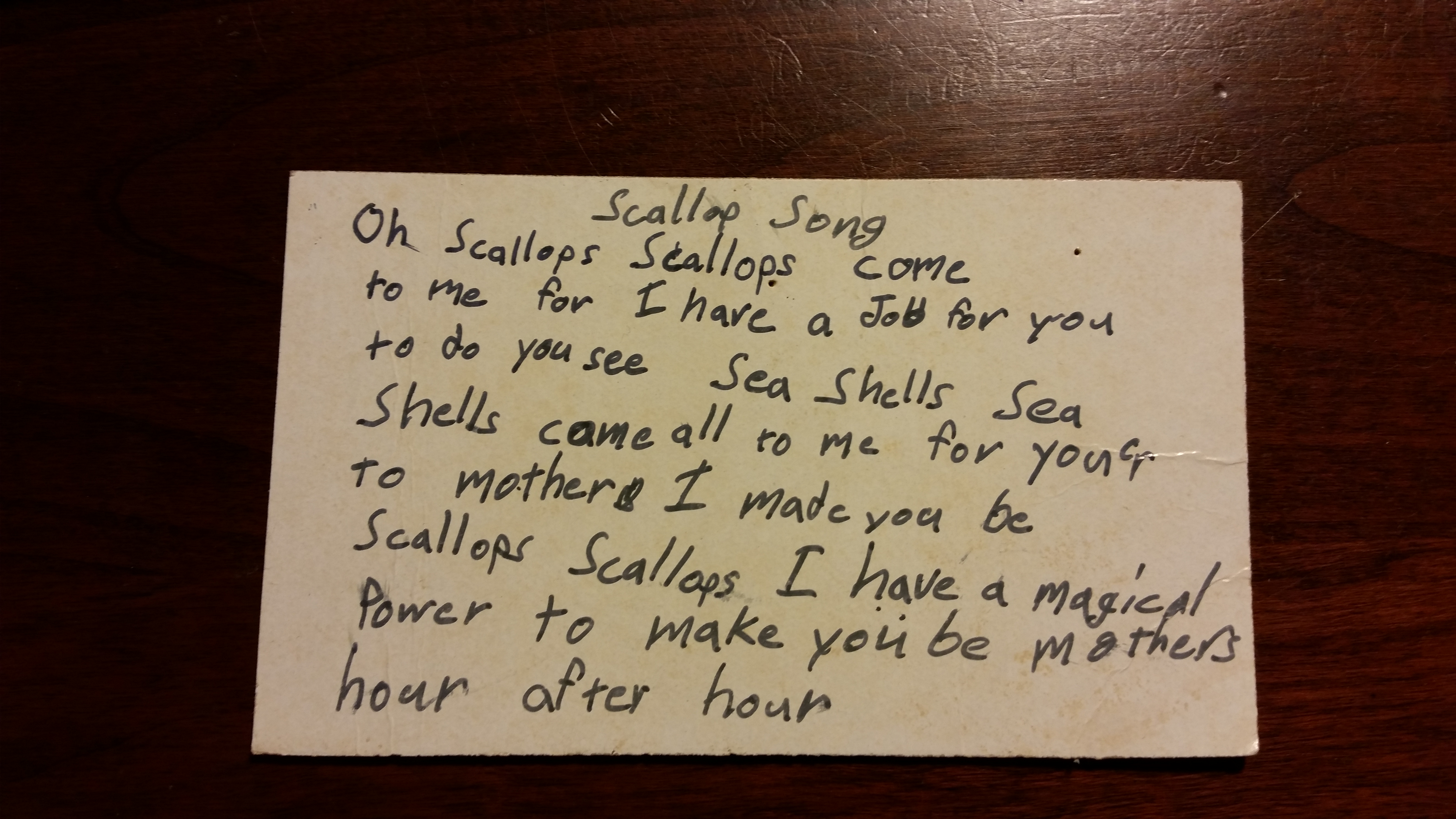
I love everything about this – the words, the composition, the sentiment, the hand that penned it… Poem by E.L.D.A.






















 I Just Have to Say...